

Péter Dombi, Research Professor at the HUN-REN Wigner Research Centre for Physics and Budapest University of Technology and Economics (BME), has been elected a Fellow of Optica, the world’s largest international society for optics and laser physics. He is only the second researcher based in Hungary to receive this prestigious distinction in recognition of research carried out in the country.
Founded in 1916, Optica, formerly known as the Optical Society of America, is one of the world’s leading international scientific and professional societies in optics, photonics and laser physics, with a presence in more than 170 countries. The organisation plays a key role in advancing optical research by publishing leading scientific journals, organising international conferences, supporting the next generation of scientists and helping technological innovations reach the market.
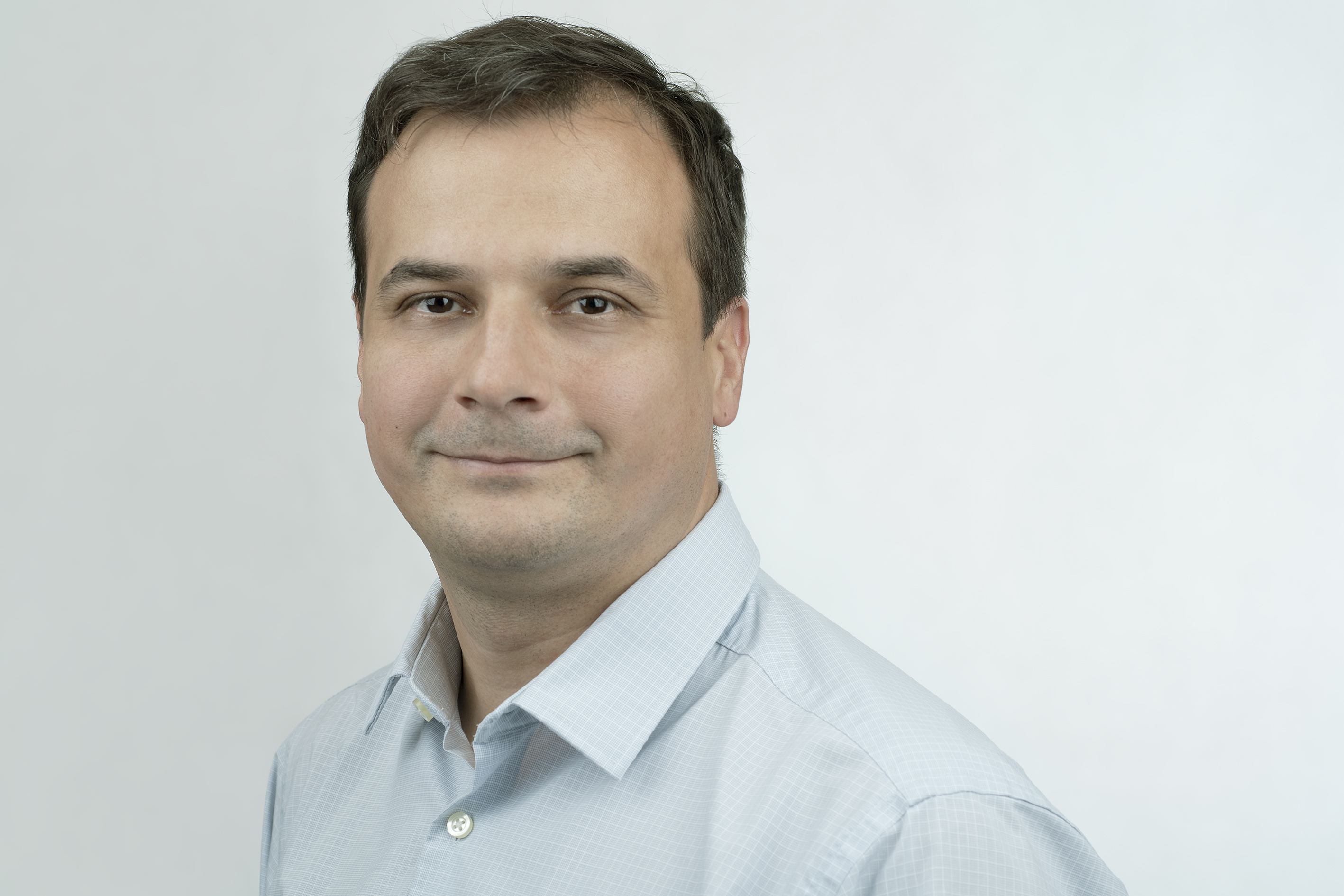
In the society’s 110-year history, only two researchers working in Hungary have been elected Fellows of Optica: János Hebling in 2014 and now Péter Dombi. Fellowship is awarded to individuals who have made outstanding contributions to the advancement of optics and photonics through their scientific and professional achievements. According to the citation, Péter Dombi was recognised for his scientific contributions to the study of ultrafast processes and femtosecond laser technology, as well as for his leadership of major research projects.
Since 2007, Péter Dombi has built up a femtosecond laser laboratory in Budapest that consistently produces internationally leading experimental results in nano-optics, plasmonics, femtosecond laser technology and materials science. Together with his HUN-REN research group, he regularly publishes in some of the most prestigious international scientific journals, including journals by Nature and Science publishers, as well as Physical Review Letters, Nano Letters, Optics Letters etc.
As a researcher who has built a strong scientific school around his work, he has successfully supervised, and continues to supervise, 12 PhD students. Alongside his research, he was the founding head of division at the ELI laser centre in Szeged, coordinating physics, chemistry and biology research there. Since 2010, he has played a leading role in developing Hungary’s largest research infrastructure, shaping its scientific profile and supporting its operation. In 2026, he was additionally appointed as research professor at Budapest University of Technology and Economics.