
2018
Video diagnostics system at Wendelstein 7-X (W7-X) — A 10-channel overview video diagnostic system was developed for W7-X superconducting stellarator, based on self-developed Event Detection Intelligent Cameras (EDICAM). During the experimental campaign OP1.2b, spanning from July to October 2018, the system was comprised of eight intelligent EDICAMs and two fast cameras.
One of the fast cameras was used to monitor the injection of carbon-containing pellets (TESPEL). Utilizing these measurements, the time-resolved periodic evolution of pellet clouds was determined. The cloud of the ablating pellet is expanding along magnetic field lines in the 10 microsecond timescale, while it is being ionized. Following this, typically the ionized part of the cloud (a ‘cloudlet’) is torn off by an instability, and it is leaving the main cloud at a speed in the order of a few km/s. This process is repeated several times until the pellet is completely ablated. The repetitive eruption of cloudlets has a strong effect on the main pellet cloud: following the above cycle, the pattern of the light emitted by the main pellet cloud keeps changing as well. Taking a line cut along the magnetic field line crossing the main cloud (and the pellet), the light intensity profile changes between two distinct states: having one peak centered around the pellet and having two peaks further away from the pellet with a local minimum at the pellet location.
Making use of the line radiation emitted by fuel and impurity particles in the plasma, fast camera measurements with interference filters were also used to determine the magnetic topology of Wendelstein 7-X stellarator in the edge plasma and the islands surrounding the plasma.
In some experiments, the special non-destructive readout mode of the EDICAM cameras was utilized, allowing us to record, simultaneously to the standard overview recoding with 100 frame/s speed, a smaller section (ROI) of the experiment at 50-times higher rate (EDICAM can handle up to six ROIs). Hydrogen pellets, used for increasing the plasma density, arrive at this observed section; the special camera recording allowed for the time-resolved observation of these pellets penetrating and moving inside the plasma.
In long plasma discharges the extended control features of EDICAM were exploited: five ROIs, viewing different areas in the experiment, were defined in several cameras and the readout for these was turned on and off in a controlled manner in order to produce appropriate data for cross-correlation studies about plasma turbulence throughout the plasma discharge, while in the same time, keeping low the amount of data produced.
EDICAM diagnostic development for JT-60SA — The development of a single channel EDICAM system for the world’s largest superconducting tokamak, the Japanese JT-60SA, has been started in 2017. The EDICAM, being the first European diagnostic for this experiment, will be part of the overview visible video diagnostic system, monitoring the torus interior from five tangentially viewing channels. In 2018, almost all system components were procured or produced. Minor modifications had to be made to the design, e.g. the camera transport rail was segmented to reduce eddy currents during a disruption. A test environment, featuring a 3.5 m long vacuum chamber, was also established.
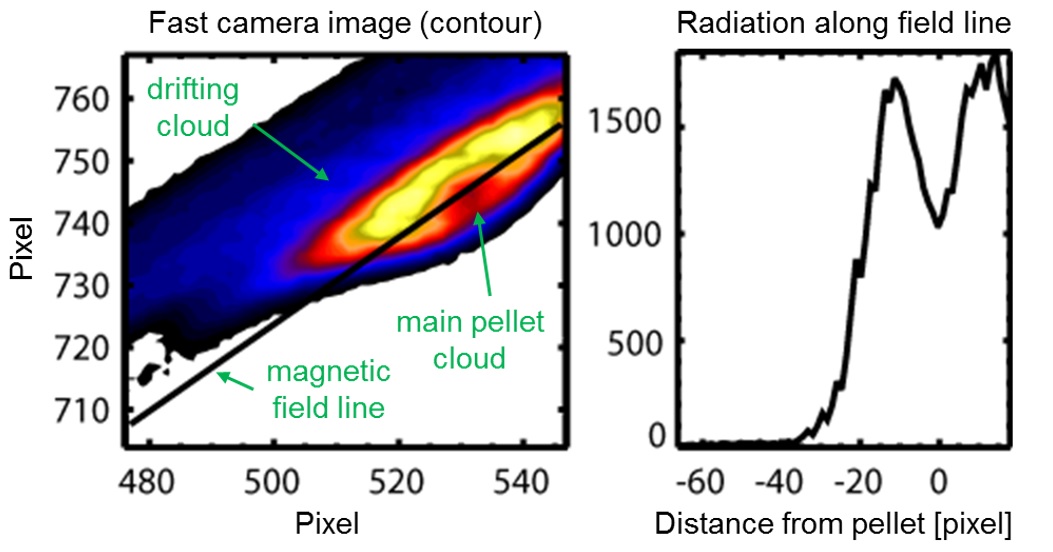
Figure 1. Left: Fast camera image of an ablating TESPEL pellet. The drifting cloud is shown in blueish color. Right: Light intensity profile along magnetic field line in a time instant where the radiation has a local minimum at the pellet location.
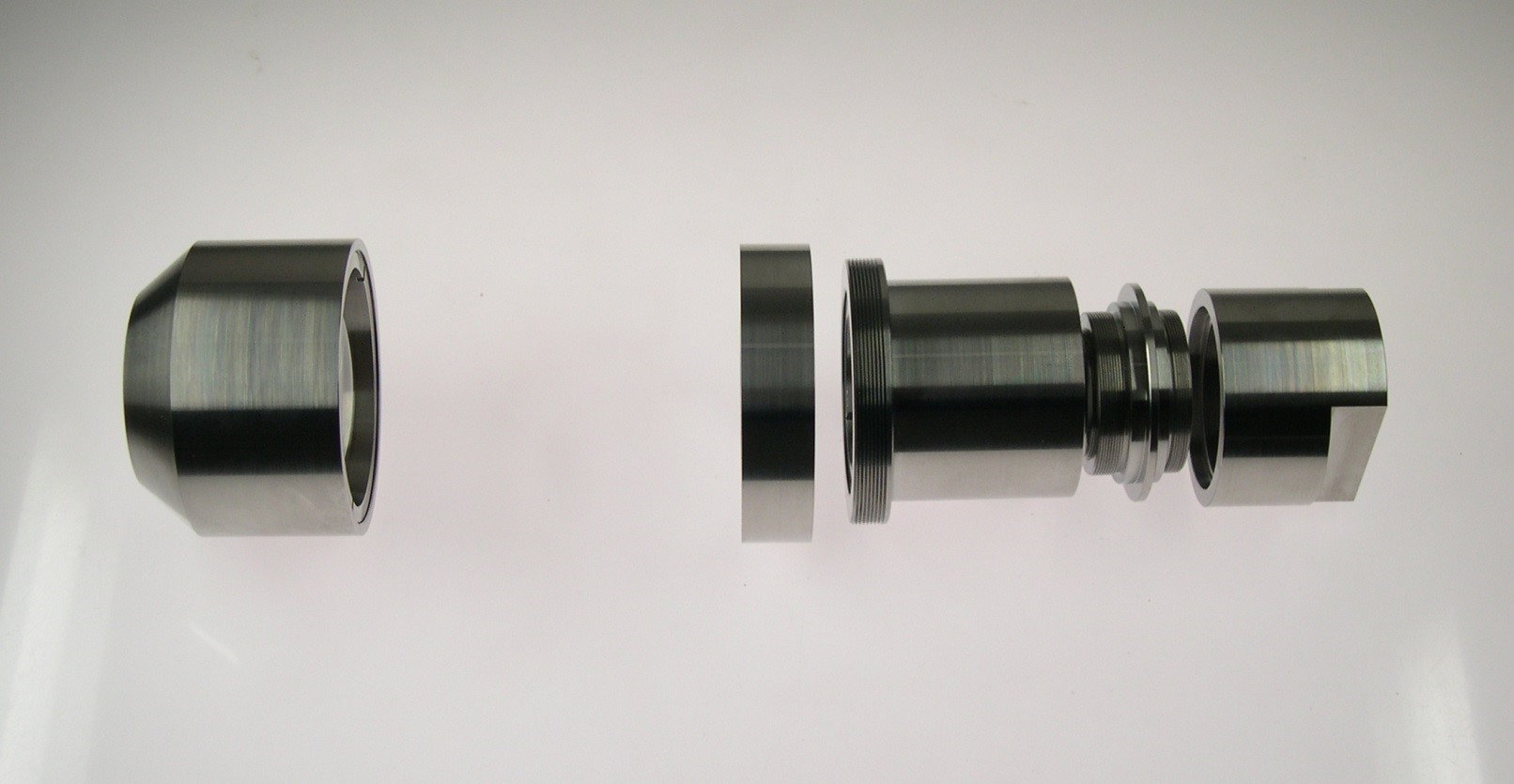
Figure 2. Optics in stainless steel housing for the JT-60SA EDICAM diagnostic.
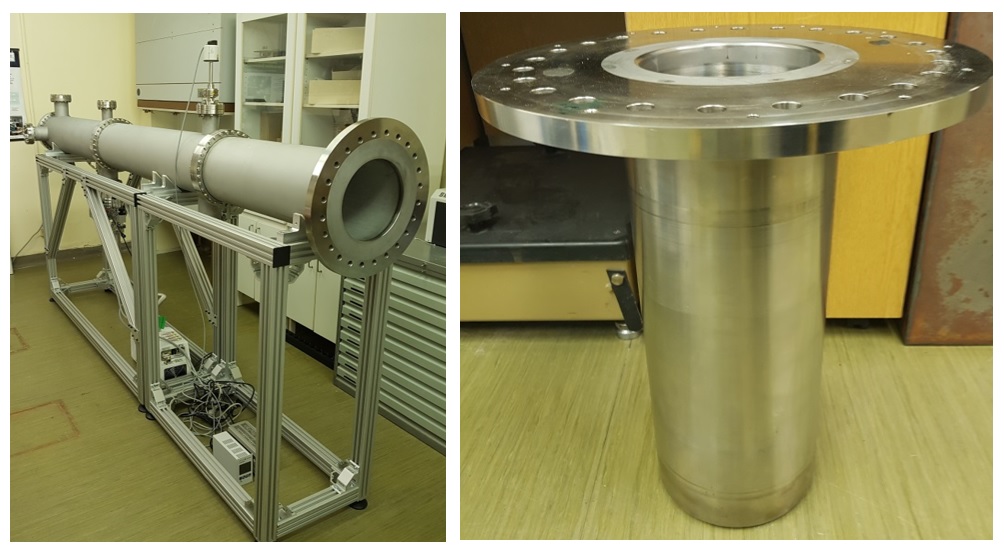
Figure 3. Left: Vacuum chamber for the testing of the JT-60SA video diagnostic port plug for EDICAM. Right: Mock-up port plug.
2017
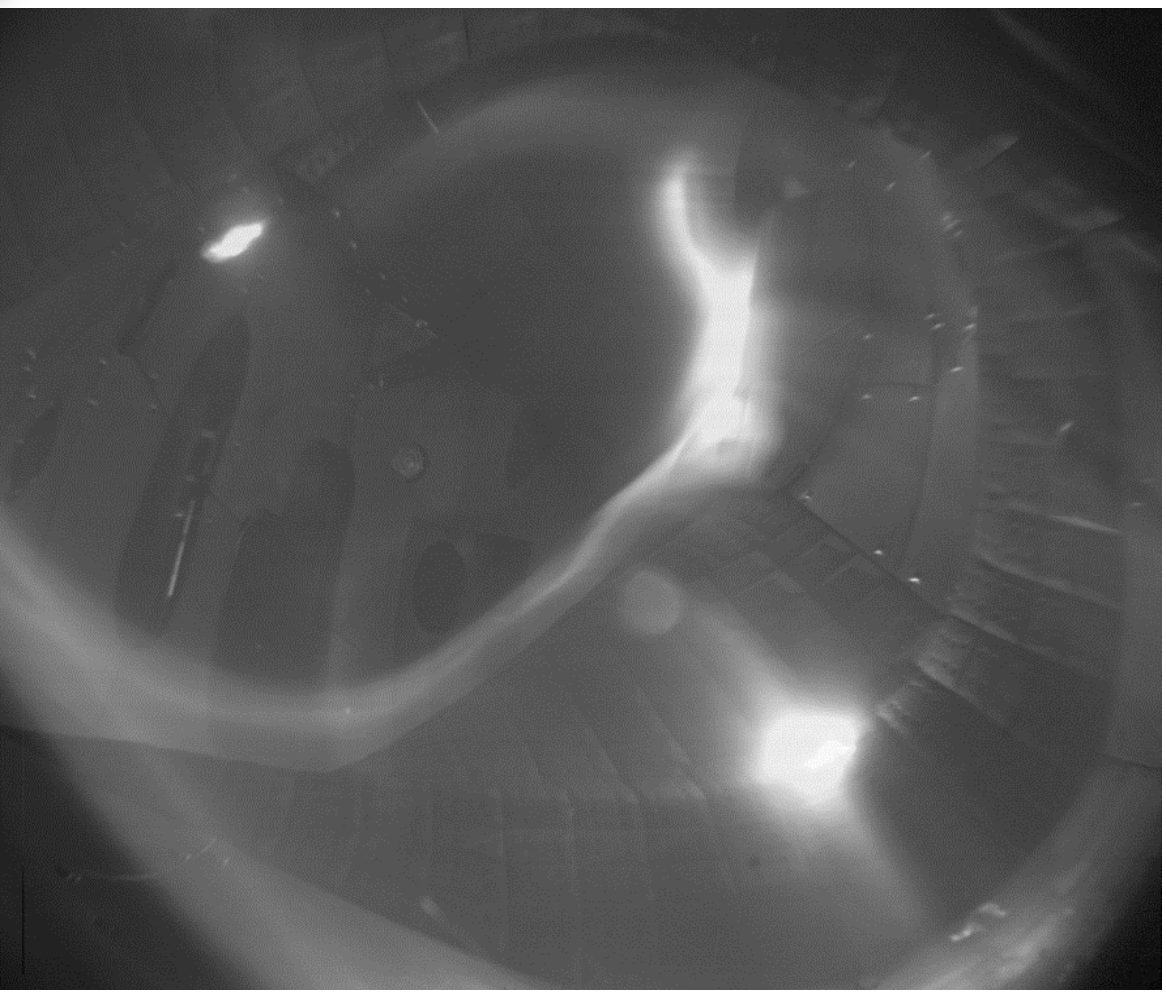
Figure 1. Hot spot as detected by the EDICAM. In this case no counter-measures were carried out, so the affected component (carbon heat shield tile) was heated up to several 100 °C.
Video diagnostics system at Wendelstein 7-X (W7-X) — A 10-channel overview video diagnostic system was developed for W7-X superconducting stellarator, based on self-developed Event Detection Intelligent Cameras (EDICAM). The main aim of the system is to monitor almost the entire inner wall, and detect dangerous events automatically. Additionally, making use of the non-destructive feature of the EDICAM’s sensor, scientific observations with up to 50 kHz frame rate can be simultaneously carried out, without affecting the low frame rate overview. For the second campaign of W7-X (OP1.2a), spanning from September to December 2017, an inertially cooled island divertor was installed, allowing plasma discharges to span over 25 s. EDICAMs could be successfully used to follow the evolution of the strike-lines (high heat flux areas) on the divertors. As EDICAMs are sensitive for visible light, they could be used to identify hot-spots. Hot-spots appear where (part of) the plasma gets closer to an in-vessel structure where normally no heat load is expected; they produce tremendous amount of visible light due to an enhanced level of plasma-wall interaction, while the heat flux is still not too high. This allowed us to detect hot-spots and the emergence of strike lines well before (1-2 seconds!) the affected components’ temperature had risen above the sensitivity threshold for IR cameras, thus demonstrating the safety functionality of the EDICAM system (Fig. 1). An additional upgrade will allow us to automatically broadcast warnings to the plasma control system in such cases – this will be demonstrated in the next (OP1.2b) campaign. Two of the ten video channels were equipped with ultra-fast framing Photron cameras, for dedicated studies. One of the fast cameras was used to monitor pellet injection, both from the inboard and the outboard. It was observed that pellets are decelerated and even stopped during the pellet-plasma interaction process, presumably due to a rocket-effect caused by asymmetric ablation. It was also observed that pellet cloud drift, unlike in tokamaks, points not only to the outboard direction, but to any direction, and mainly outward from the plasma (i.e. inboard direction for inboard launch and outboard direction for outboard launch). Using a special view with higher photon sensitivity, the other fast camera was used to detect filaments – these radially localized structures, elongated along magnetic field lines, are closely related to plasma turbulence. Filaments were observed in all plasmas with high enough intrinsic radiation level; they appeared mainly in the region affected by the divertor, where a C-III interference filter could also be used to increase the contrast (Fig. 2).
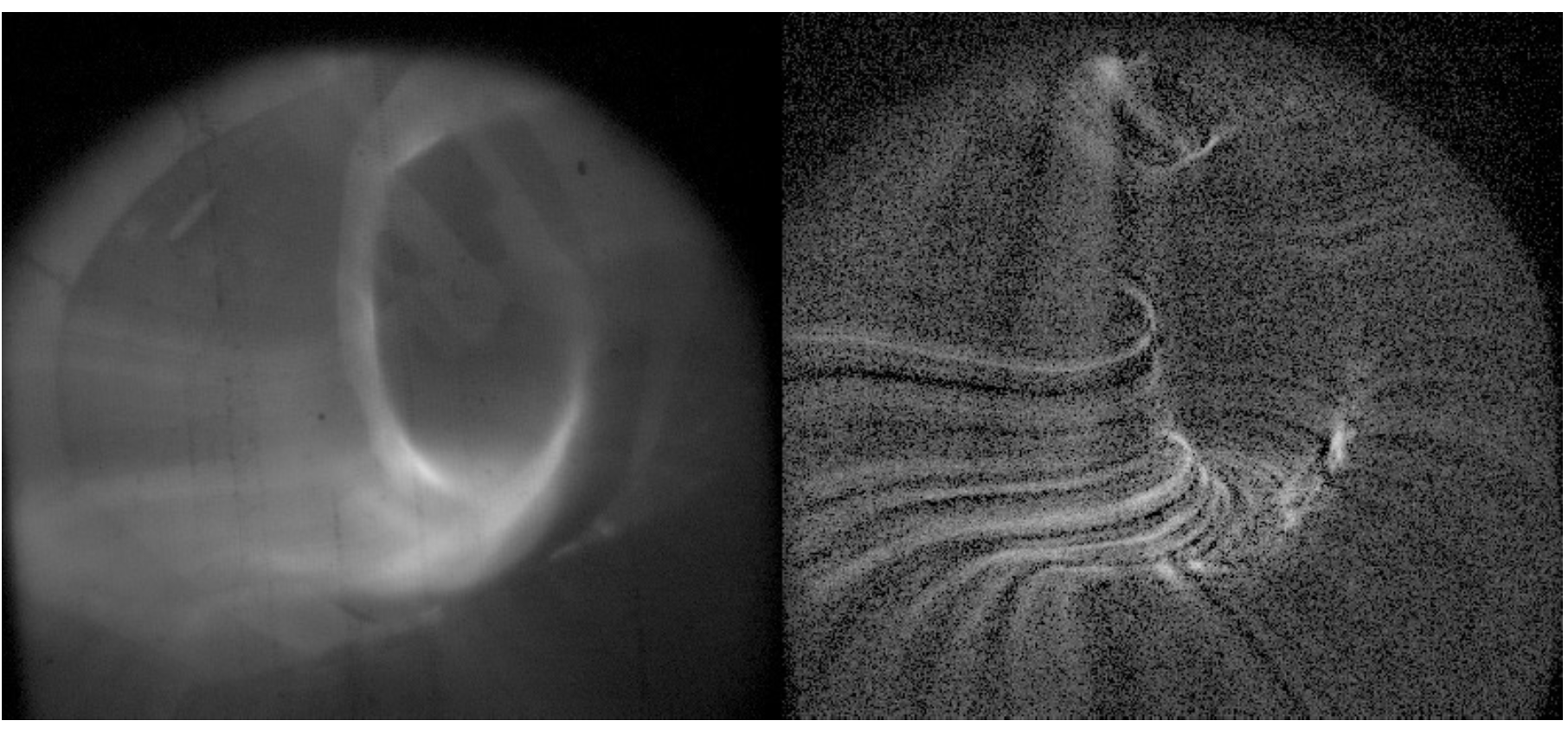
Figure 2. Filaments in a diverted W7-X plasma discharge. Image processing algorithms and interference filters can be applied on the raw fast camera images (left) to enhance the visibility of the filaments (right).
EDICAM diagnostic development for JT-60SA — The development of a single channel EDICAM system for the Japanese superconducting tokamak, JT-60SA, has been started in 2017. The EDICAM will be part of the overview visible video diagnostic system, monitoring the torus interior from five tangentially viewing channels. The requirements are harsh: 80° field-of-view, with a depth-of-field of 5 m (3-8 m away from the first lens). Additionally, the system for this experiment also includes the diagnostic port plug (immersion tube), in other words a part of the tokamak vacuum vessel is also to be delivered. In 2017 we focused on the design of the system; designing the optics was a real challenge, since the light rays collected by the tangential view have to be ‘bent’ by 40° to fit into the radial port plug. This task is really conflicting with the above-mentioned wide-angle view, but the problem could be solved by using a double reflecting prism. In parallel, the mechanics design was also developed, strongly linked together with the optics design (Figure 3). Both designs have been finished successfully, and construction can be started in early 2018, as expected. The project is funded by Fusion for Energy, in the framework of the Broader Approach agreement.
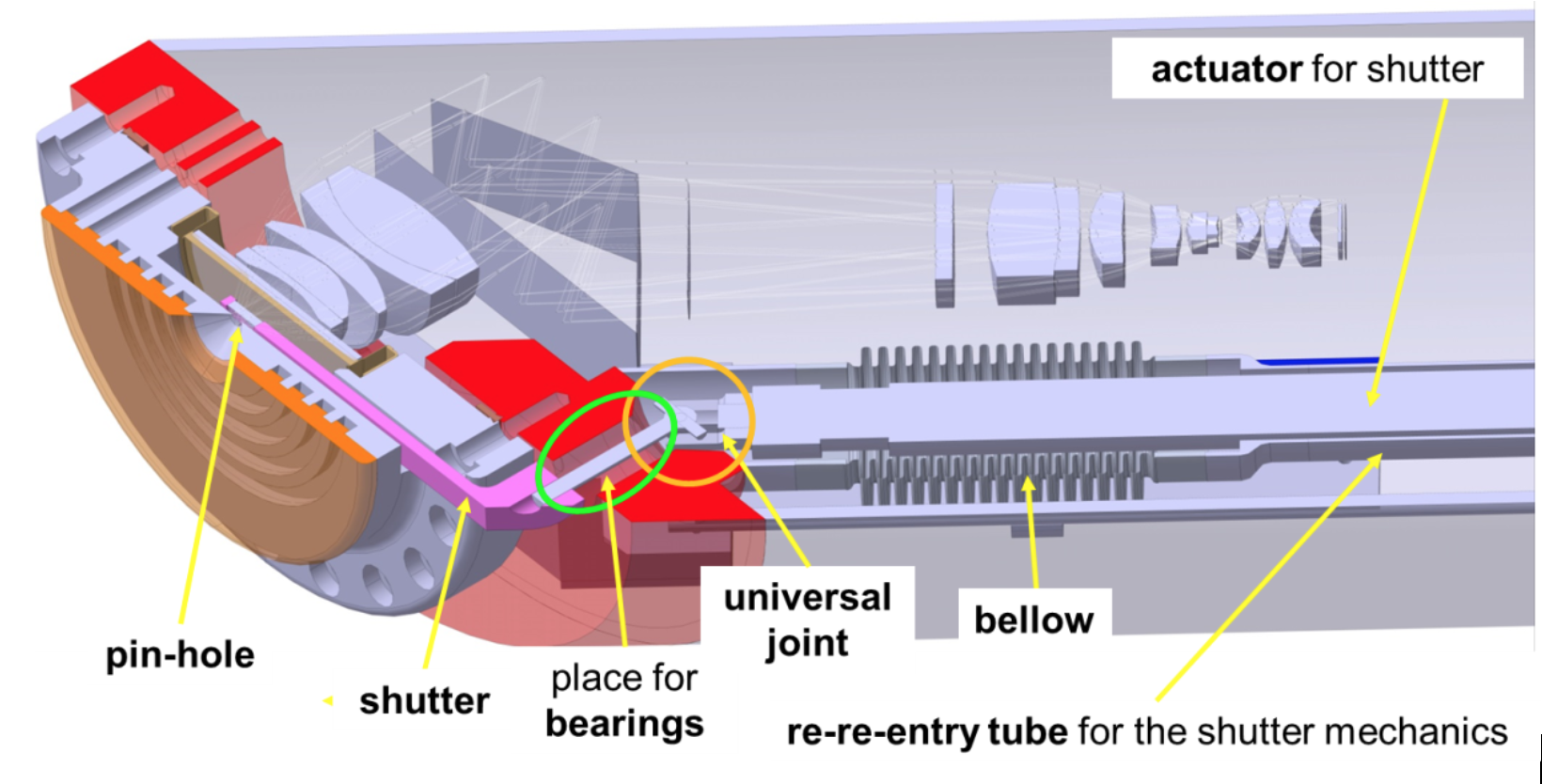
Figure 3. CAD and optics design of the JT-60SA video diagnostic port for EDICAM.